Campaign Spotlight
Elevate Your Next Chapter
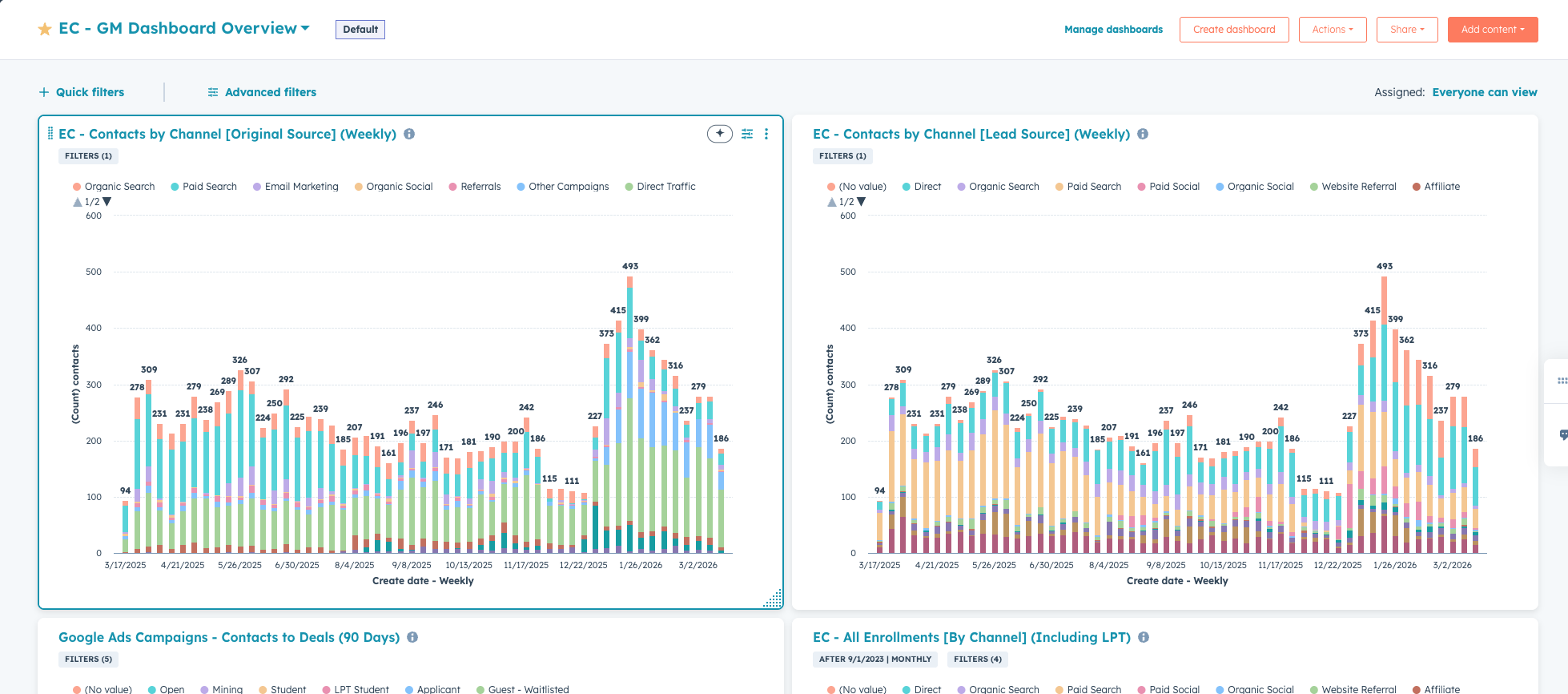
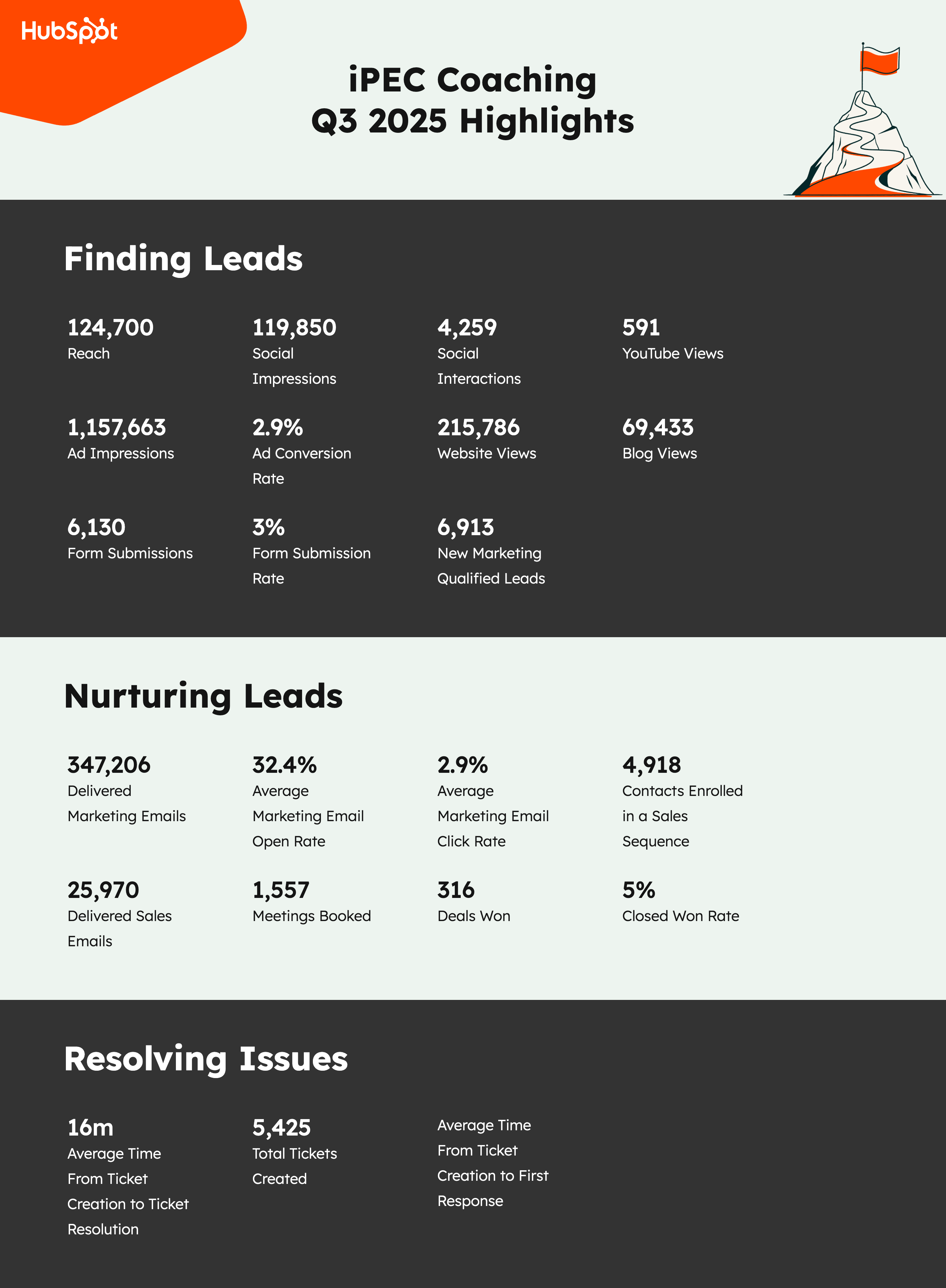
Late-cycle CTP enrollment campaign, March 2026. A webinar-anchored, multi-channel push across paid search, email, social, and landing pages over a 3-week enrollment window.
Paid Search
Campaign
YCTJYC / LPT/CTP
Spend (90-day)
$24,074
Conversions
339
Avg CPA
$71.02
ROAS
3.19x
Blended CTR
6.3%
Email
Invite Delivered
19,896
Invite Open Rate
23.52%
Invite CTR
0.5%
Replay Open Rate
43.52%
Replay CTR
15.74%
Sequences Active
3 (Attended / Not-Attended / Referral)
Organic Social
Platforms
LI, IG, Reddit, FB Community
YouTube Replay Published
Elevate Your Next Chapter webinar
Testimonial Asset
Nathan “3x investment” clip
Community Posts
Late-cycle urgency posts, daily FBCC
Daily Cadence
M-F engagement maintained
Influencer Program
Pilot launched 3/18
Email Performance: Why the Replay Beat the Invite by 31x on CTR
The behavioral segmentation built in HubSpot is why this happened: each contact got the right message at the right moment, not a broadcast.
Webinar Invite
23.52%
Open rate, 19,896 delivered
0.5%
CTR, cold audience, no prior intent signal
Replay Email (Post-Webinar)
43.52%
Open rate, +85% lift over invite
15.74%
CTR, 31x the invite CTR
Behavioral Segmentation
Post-webinar contacts were routed into attended vs. not-attended tracks with distinct subject lines, copy angles, and CTA timing, before any broadcast went out.
The insight that changed sequencing strategy: On-demand content outperforms live invites by a wide margin for a considered-purchase audience. After seeing the replay data, we restructured future webinar campaigns to treat replay distribution as the primary conversion event, not the live session.
Assets Produced
EmailWebinar invite (2 versions), replay email, "What You Missed" clip email
SequencesAttended track, Not-Attended track, Ambassador referral sequence
Landing PagesReplay page (dual CTA: Watch / Talk to Admissions), late-cycle enrollment page
Paid SearchYCTJYC / LPT/CTP campaign across 7 ad groups, negative keyword list
VideoYouTube replay upload (Elevate webinar), Nathan testimonial clip, "What You Missed" short-form clip
Social7 Days of ELI FBCC series (7 posts), daily LI/IG/Reddit engagement cadence
DesignEmail thumbnails, static ad creative, video stills, replay page layout
HubSpot OpsZapier integration, HS registration workflow, active segment refresh, contact upload
Creative Examples
Static ad creatives produced across concurrent campaigns running alongside the Elevate webinar, each mapped to a distinct audience segment and funnel stage.
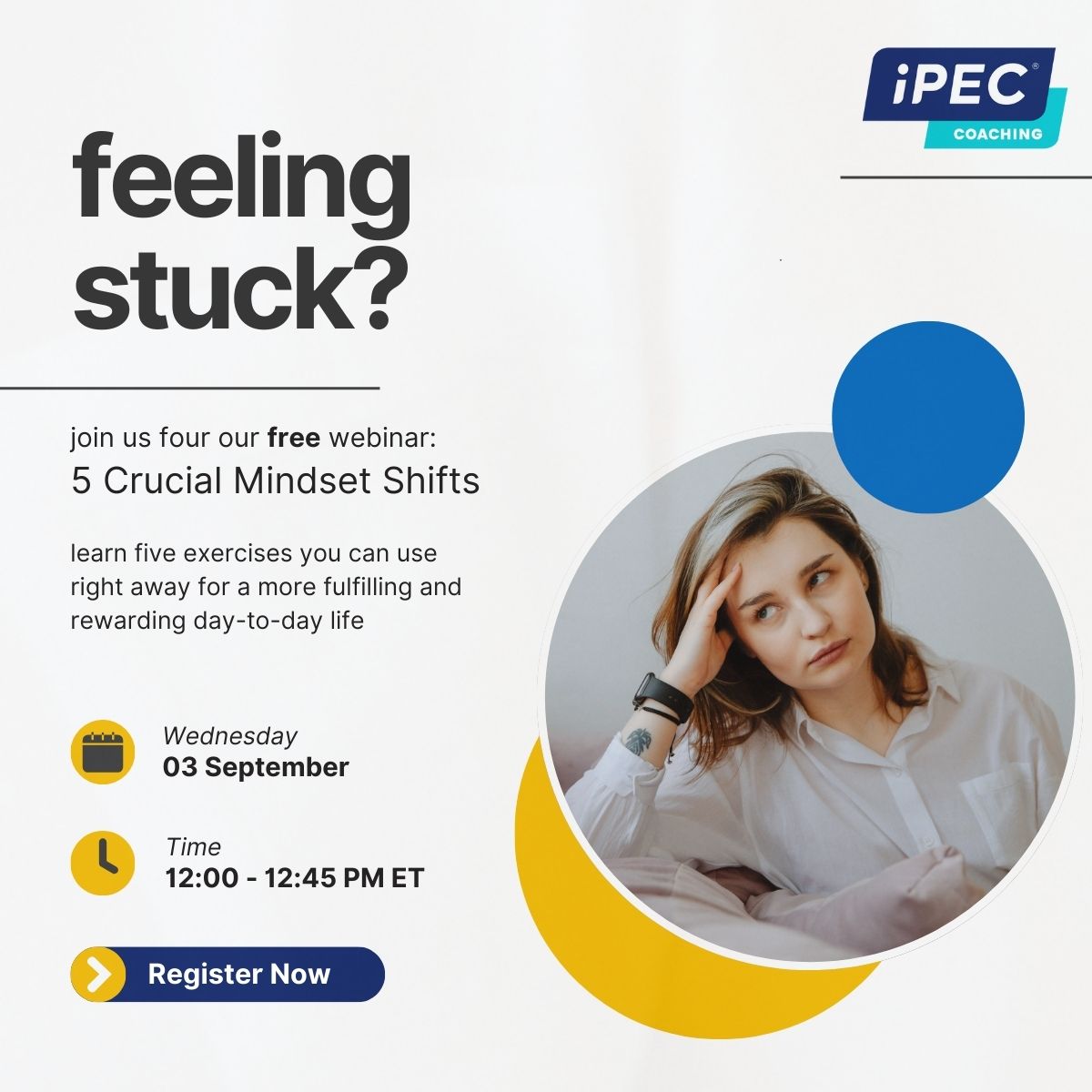
5 Mindset Shifts: Webinar Series
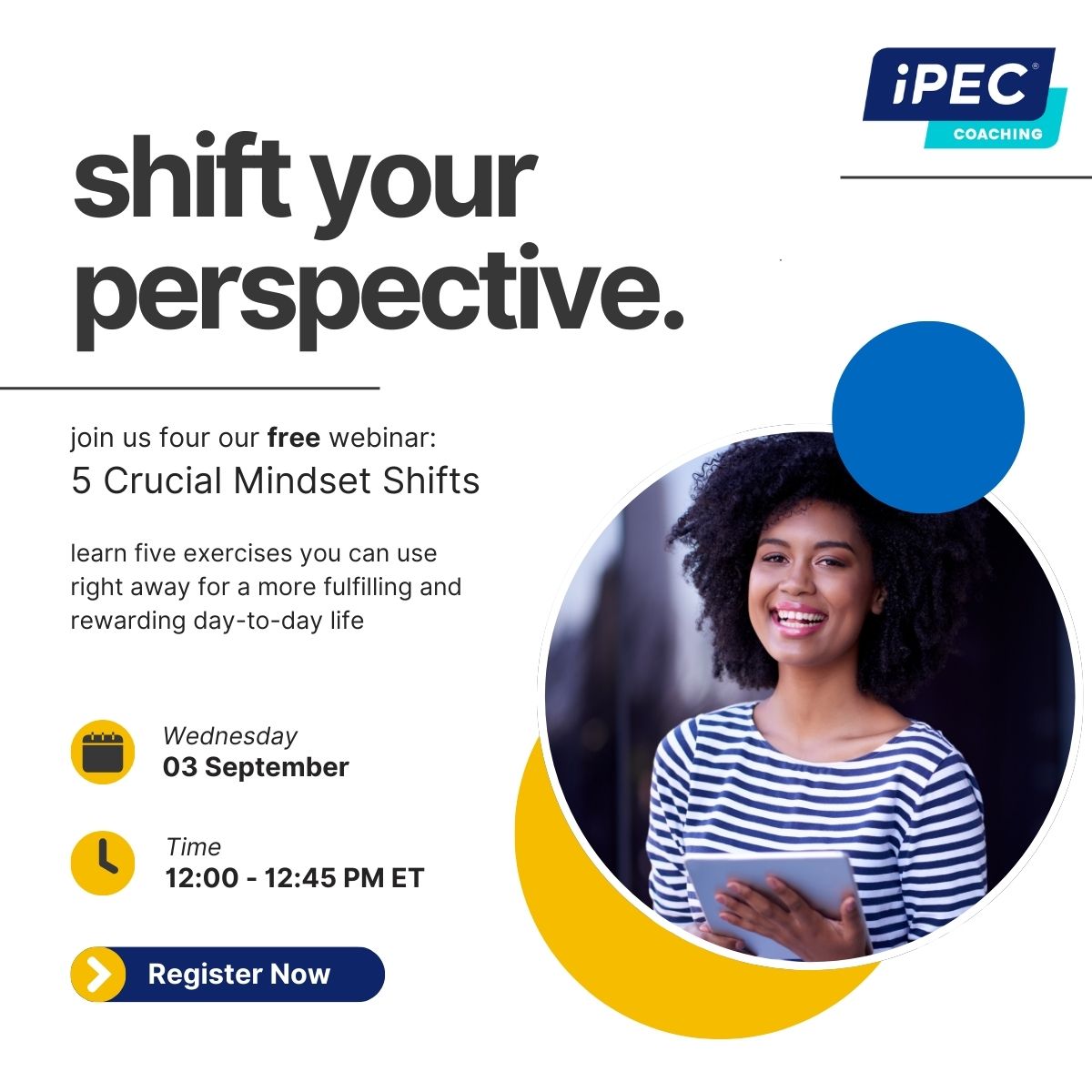
5 Mindset Shifts: Variant 2
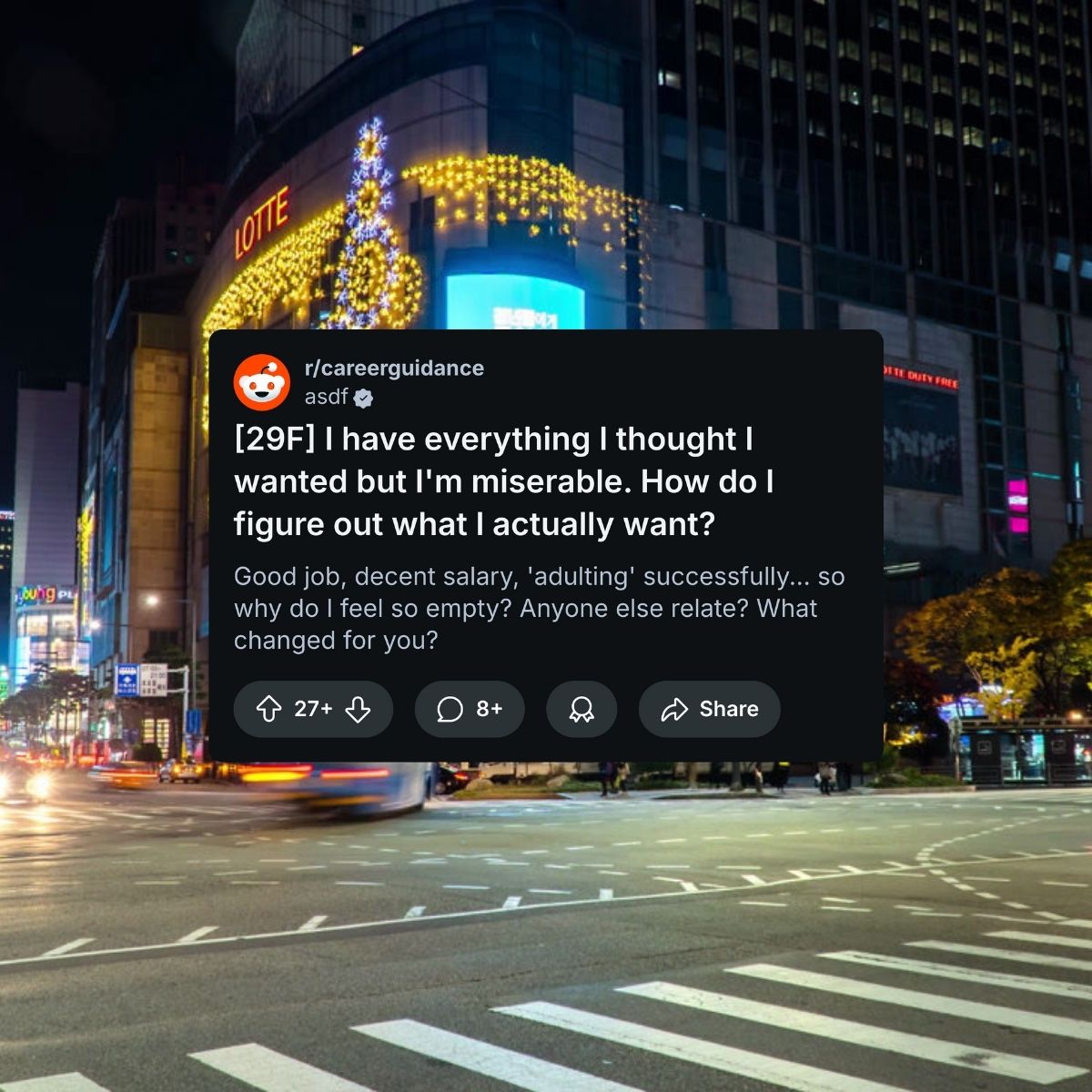
5 Mindset Shifts: Variant 3

AI Chat Lead Magnet
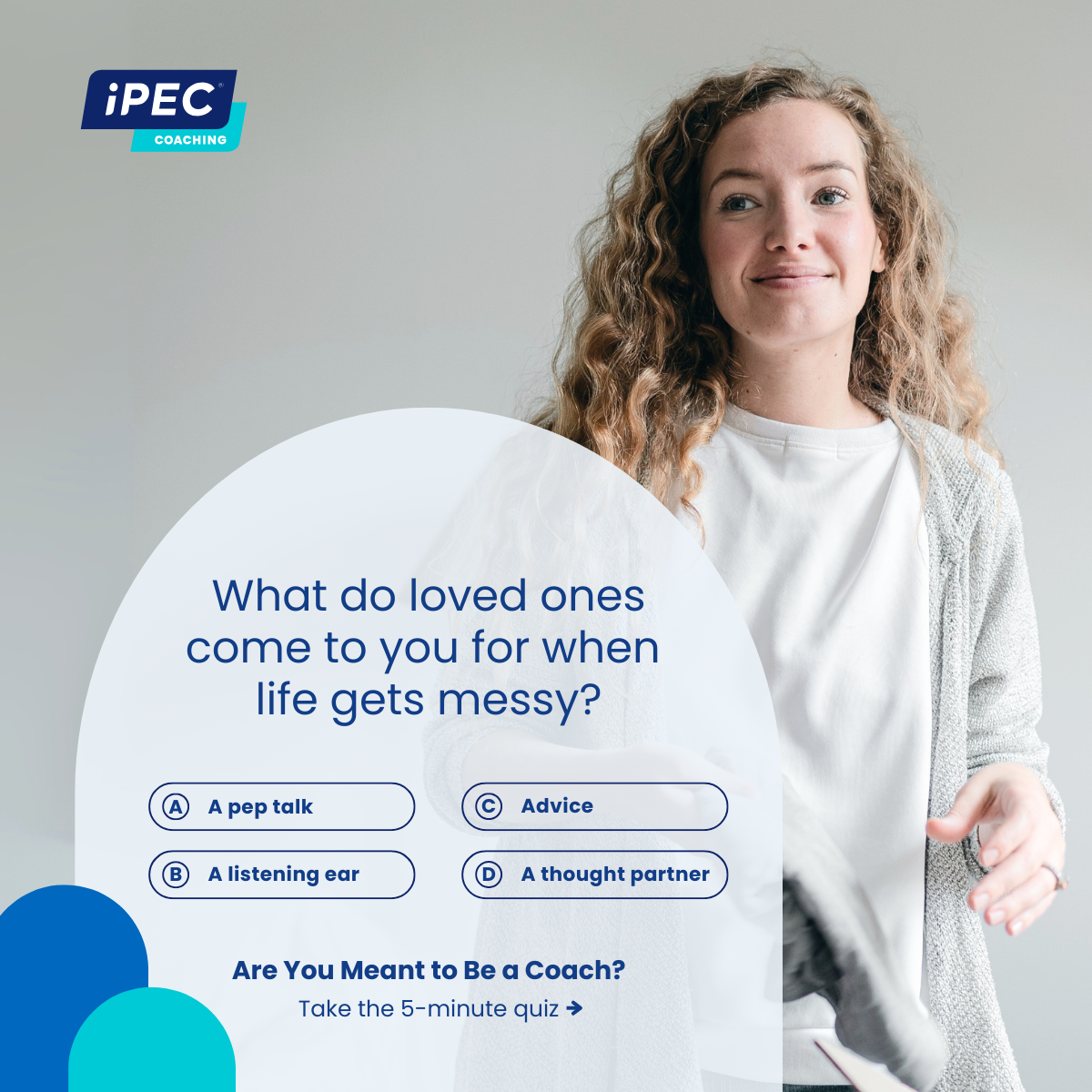
AYMTBAC Quiz Funnel

7 Levels of Energy Webinar
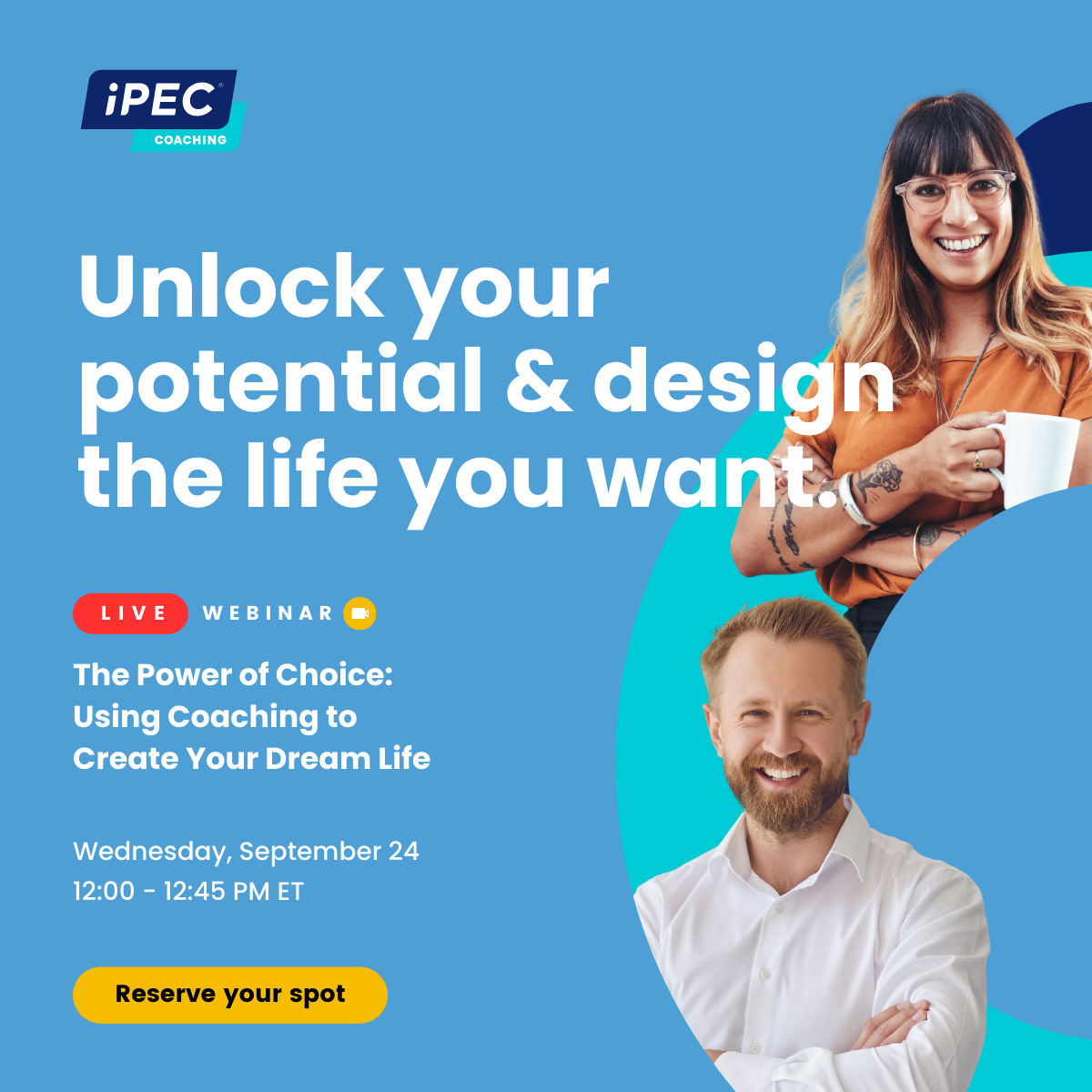
CTP PoC Webinar, V2